I’ve spent more of my adult years dealing with acne breakouts than having clear skin. And as a long-term spot treatment user, I’ve learned that many of them leave something to be desired. Don’t get me wrong; there are plenty of great options that work like magic, sopping up oil and helping to shrink a painful blemish overnight. Those get my beauty editor stamp of approval. But it seems like just as many dry out my skin, leave it red and irritated, or burn off the top layer. No thanks.
Every now and then, though, a new type of hybrid skincare product pops up that makes me want to completely rethink my at-home acne routine. First it was a high-frequency wand (yes, it works!), then pimple patches and now, I’m very into face oils that target breakouts without the dreaded dryness.
Are Face Oils Good For Acne-Prone Skin?
Face oils have always had their place in skin care, but the idea seems counterintuitive to those with oily and acne-prone skin. Won’t they just make the problem worse? Surprisingly, no. In fact, applying the right oil to blemish-prone skin just may be its saving grace: Research shows that some botanical oils (like tea tree oil) can reduce inflammatory acne lesions thanks to their antibacterial, anti-inflammatory and antioxidant properties. Plus, face oils are known to add a layer of hydration to the skin (often necessary when dealing with and treating acne), so the idea of oils that target breakouts while improving overall skin health makes perfect sense.
Meet the experts: Dendy Engelman, MD, is a double board-certified dermatologist. Jenna Queller, MD, a board-certified dermatologist. Brian Goodwin is the international educator for Eminence Organic Skin Care.
It’s important to keep in mind, however, not all facial oils are created equal. So I went straight to the source – top dermatologists – to unpack everything you need to know about which oils to use, how to use ‘em and whether they’ll be right for your skin. After all, acne is a multi-factorial skin condition that often requires a diverse approach to treat it on all fronts.
Allow these oils to be a part of that approach.
Why Are Face Oils For Acne So Hot Right Now?
The trend is a departure from the old thinking that acne-prone skin needs to be stripped, dried out and mattified in order to clear it up, says Dendy Engelman. “Oftentimes, acne-prone skin can become dehydrated, inflamed and barrier-impaired, especially when overusing harsh actives,” she says. “Oils that are formulated for blemish-prone skin are appealing because they feel more restorative while still targeting congestion, redness and irritation.”
Unlike traditional facial oils, which are primarily meant to moisturise and nourish, facial oils for acne-prone skin have a different purpose, says Jenna Queller. “These products often contain ingredients with antimicrobial, anti-inflammatory, or oil-balancing properties,” Dr Queller says. “The formulation is what matters because not all oils behave the same way on the skin.”
Look For These Skin-Friendly Ingredients
Acne oils tend to be lightweight, non-comedogenic and plant-based, and are used as an alternative to harsher spot treatments while supporting the skin barrier, says Brian Goodwin. Some common ingredients you’ll spy in these products include tea tree, rosehip, or jojoba oil, along with grapeseed oil, green tea extract, argan oil, or squalene. “Many of the barrier-supportive ingredients in these products tend to be better tolerated by acne-prone patients,” adds Dr Engelman. You may also find a few tried-and-true acne fighters like salicylic acid or retinol added to these products – both pair well with the botanical, skin-friendly oils mentioned above to balance skin while reducing bacteria and calming inflammation and redness.
At the end of the day, “you want to look for oil-based products that are labelled as non-comedogenic or safe for acne-prone skin and that are lightweight, fragrance-free and dermatologist-tested,” advises Dr Engelman, who also recommends avoiding highly fragranced formulas and essential oil blends that are not clearly balanced or diluted (they’re common skin irritants otherwise).
READ MORE: What To Do When Body Acne Strikes + The Best Products To Use
The Benefits Of Anti-Acne Oils
For breakout-prone skin that’s out of balance, a good oil can do wonders. But there’s more to using an anti-acne oil than just clearing up the skin.
- They help regulate oil production: Using acne oils, especially those rich in linoleic acid, can help balance excess sebum production. Oily and acne-prone skin is often low in linoleic acid, which is an essential fatty acid that helps prevent clogged pores. So instead of clogged pores, increased linoleic acid can improve how sebum flows out of the pores, which also means fewer breakouts.
- They help calm the skin: Most anti-acne oils contain calming, anti-inflammatory ingredients that diminish swelling, inflammation and redness in the skin. “Some oils may also help reduce the look of irritation around a blemish, which can make breakouts appear less angry,” Dr Engelman says.
- They can strengthen the skin barrier: Breakout-prone skin often has a compromised skin barrier, which can wreak havoc on overall skin health. But using an anti-acne oil regularly can help restore this protective layer. “These oils replenish lipids and help prevent transepidermal water loss, which is especially important for patients using drying acne treatments,” says Dr Engelman.
- They help hydrate skin: Facial oils are generally beloved for their ability to seal moisture into skin and acne-centric options are no different. “A well-formulated product can support blemish-prone skin without the harsh, drying feeling many people associate with acne treatments,” says Dr Engelman.
READ MORE: The 5 Acne-Fighting Hero Ingredients To Look For
Who Are Anti-Acne Oils Best For?
According to Dr Queller, oils formulated specifically to treat acne bumps and lesions tend to work best for those with mild acne or anyone who finds that traditional acne products leave their skin feeling excessively dry or irritated. “They may also be helpful as part of a maintenance routine once their acne is under control.”
Patients with more moderate to severe inflammatory or cystic acne must be cautious with them since this degree of acne usually requires more targeted treatments. “And anyone with very sensitive skin or known allergies to essential oils should always read the ingredient labels carefully,” Dr Queller adds.
What’s The Difference Between A Face Oil And A Traditional Spot Treatment?
Spot treatments and oils that target pimples may work toward the same goal, but there are a handful of differences between the two. For starters, the application methods vary vastly. Spot treatments are intended to be used on specific blemishes, whereas oils are meant to be applied all over the face. Dr Queller explains that unlike a traditional spot treatment, which is meant to dry out an individual pimple, an acne oil should be applied more broadly to help reduce overall inflammation while supporting the skin barrier to reduce inflammation and prevent future breakouts.
Then, there’s the dryness issue. Some spot treatments are known to leave skin feeling dry and stripped because, as Dr Engelman explains, they often rely on benzoyl peroxide, salicylic acid, sulfur, or exfoliating acids. “An oil-based treatment tends to feel less drying to the surrounding skin,” she says. “They calm the skin, support the barrier and help to reduce the visible irritation that often comes with breakouts. So, they can be helpful for patients who get pimples but also struggle with flaking, sensitivity, or irritation from stronger acne actives.”
READ MORE: How to Use Tea Tree Oil for Acne, According to Dermatologists
How To Use A Face Oil To Treat Acne
For starters, always look for “non-comedogenic” formulas, which are designed to reduce the risk of clogged pores and are often denoted on the packaging or bottle. Goodwin explains that a non-comedogenic oil is essential because pore-clogging ingredients create an environment where acne-causing bacteria are likely to thrive, resulting in blemishes. “Also, look for products formulated for blemish-prone skin and, when in doubt, consult an esthetician or dermatologist to review ingredient lists and determine what’s best for their skin type,” he says. It’s also a good idea to steer clear of fragranced oils, especially for sensitive skin.
Don’t Skip The Patch Test
From there, test patch an oil before applying it everywhere. Goodwin recommends using the oil on your inner elbow or a small area at the outer perimeter of the face for a few days to see if any reactions occur. “If not, you’re pretty much in the clear to apply it to the whole face,” Goodwin says. He also prefers gradually introducing the oil, allowing the skin time to adjust. “Start by applying it at night every few days, then slowly increase the frequency until you can use it nightly,” he says. “This helps the skin adapt to new ingredients while minimising sensitivity.”
Start Slow And Stay Consistent
Since facial oils are usually one of the last steps in a skincare routine, Dr Queller suggests applying one that targets breakouts after using water-based serums but before or after moisturiser (they can sometimes take the place of one), depending on the product’s instructions. “Consistency is important, but more isn’t necessarily better,” she says. “As with most acne treatments, it typically takes at least eight to twelve weeks to see meaningful improvement. If acne is worsening or not improving after a couple of months, it’s time to see a board-certified dermatologist.”
Don’t Ditch Your Usual Acne Treatments
Naturally, there’s a time and place when spot treatments and anti-breakout oils can be used together and complement one another. “If someone has an isolated inflamed blemish, they may use a targeted spot treatment and an oil to help maintain skin balance and hydration,” Goodwin adds. On the flip side, Dr Engelman considers these types of oils supportive treatments, rather than replacements for proven acne therapies like retinoids, benzoyl peroxide, salicylic acid, or prescription medications when needed. “Acne is complex, so an oil alone usually will not address the cause of breakouts, especially hormonal acne, cystic acne, or persistent comedonal acne,” she says.
READ MORE: These 5 Surprising Make-up Habits Can Worsen Your Skin Health
3 Acne-Fighting Oils Our Editors Love
Clarins Lotus Face Treatment Oil
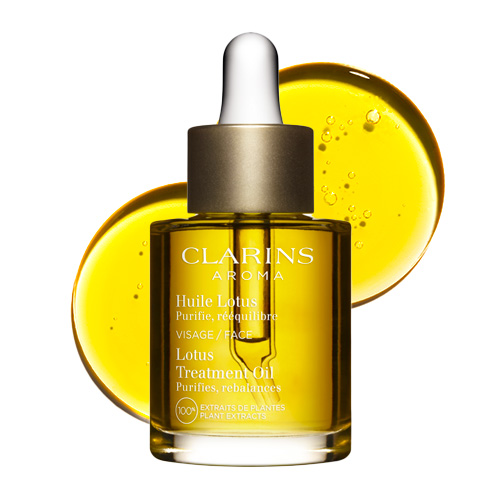
A lux blend designed to nourish without excess shine. This face oil made from 100% pure plant extracts offers rebalancing, purifying and beautifying face care for combination to oily skin.
The Ordinary 100% Organic Cold-Pressed Rose Hip Seed Oil
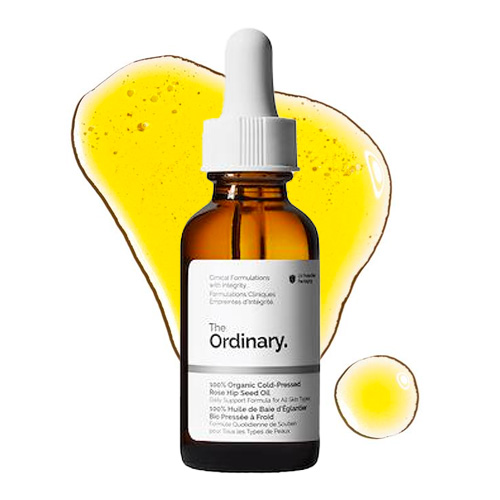
The 100% organic cold-pressed rose hip seed oil that’s rich in essential fatty acids and perfect for boosting glow and is enriched with vitamin A and E to help combat dryness and uneven tone while supporting skin clarity.
Environ Vita-Botanical Sebu-ACE Oil
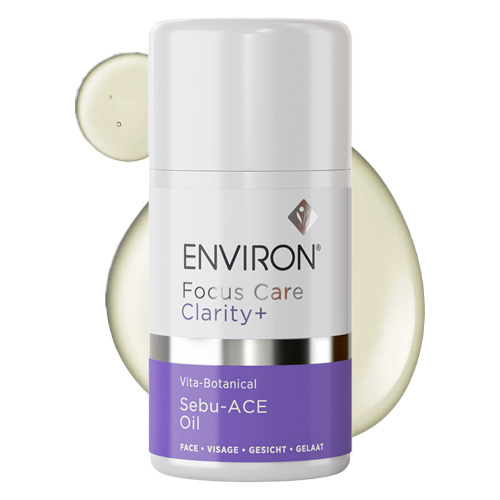
This lightweight oil pairs vitamins A, C and E with tea tree leaf oil to help control the appearance of blemishes. Jojoba and sunflower oils help nourish skin without leaving it feeling heavy.
The Bottom Line: Oils Can Fight Acne, But Should Be Paired With Other Proven Ingredients
If dabbling with spot treatments leaves your skin red, dry, peeling, or inflamed, but you still want to do everything possible to erase problematic pimples and unclog congested pores, it may be time to swap your regular spot treatment for a facial oil that targets acne. Years of using acne skincare products may leave your skin on the drier side, and these easy-to-use oils are a quick, easy way to get your skin back in check and on the path to healthy.
Now, every day can be a good skin day.
This article by Brian Underwood and Elise Tabin was originally published on Women’s Health US.