

As I write this story, South Africa is in the midst of a sudden, unseasonal onslaught of snow, ice and rainfall in parts of the country that are usually dry and warm. In other parts, where it should be icy and rainy, we’ve instead experienced weird warmth, beach-worthy heat or sudden icy winds. Experts warn it’s the new normal. But for dry skin, this weather is anything but. If you’re experiencing tightness, flakiness, dryness or redness, Dr Alek Nikolic, specialist in aesthetic medicine and owner of SkinMiles, says it’s a sign that your skin barrier has been compromised. Here, he’s dished how to deal with the climate change on your face, and how to create a skincare routine for dry skin that holds up against all this weather.
Meet the expert: Dr Alek Nikolic is a renowned specialist in aesthetic medicine and founder of SkinMiles, an online skincare destination.
Why Is The Skin Barrier Such A Big Deal?
Skin is multilayered and each layer has a unique function. Skin contains elastin, which bends and tightens in response to stressors; fat cells maintain plumpness; muscles react to give you facial expressions. On top of all of it lies the skin barrier, covered only by a layer of oils (sebum) and sweat.
If you imagine the barrier as a wall, Dr Nikolic says, then the skin cells would be the bricks, held together by ceramides (cement). But if the cement cracks, water escapes, which then allows irritants to enter. “Your skin barrier is your protective seal,” he says. “It helps keep moisture in and irritants out. When that barrier is weakened, the skin becomes more prone to dryness, sensitivity, redness and discomfort.” When the environment is dry, water can escape faster than it takes for the barrier to rebuild its protective layer of fats, such as ceramide, cholesterol and fatty acids.
When Does The Skin Barrier Get Compromised?
When skin becomes dry, it often happens in colder months. But healthy skin can lose hydration in a number of conditions:
Hot water: In the shower or bath, hot water can strip essential lipids from the surface of the skin.
Wind and sun: Summer can dry out the peachiest cheeks, damaging the barrier and causing moisture to leak out.
Harsh chemicals: Strong stuff like antibacterial washes or exfoliates can strip too much of the natural oils from your skin.
Ageing: Sadly, the unrelenting march of time means skin inevitably slows down oil and collagen production.
Why Your Skin Barrier Should Be Your #1 Priority
“The skin barrier is, in my opinion, the most important layer of the skin,” says Dr Nikolic. “Every other product in your routine works through it, and most rely on it. Barrier support decides whether the rest of your skincare actually works.” The benefits of a healthy skin barrier make it worth prioritising, says Dr Nikolic:
Prevents trans-epidermal water loss: The evaporation of water from the skin is mostly invisible, he says, and it gets worse in winter. Hydrated skin = smooth.
It keeps baddies out: “Many cases of ‘sensitive skin’ are really a barrier under strain that settles once repaired,” he says. Irritants, pollutants and bacteria are destructive and are kept out by a strong skin barrier.
Actives perform better: Retinol, vitamin C and acids cause less irritation and deliver more benefit, and even SPF applies more evenly, Dr Nikolic says.
It glows: “There’s a cosmetic payoff people underestimate,” he says. “A hydrated barrier gives skin a glow and plumpness that no highlighter can replicate, because light reflects evenly off a smooth, water-rich surface.” With that said, here’s Dr Nikolic’s dermatologist-approved routine to treat dry skin.
Dry Skin Rule #1: Pause The Exfoliation
When skin goes south, the first impulse can be to load up on actives like retinol, salicylic acid, vitamin C and everything else. But these actives, while effective, can do too much, too soon. “Winter is the season to exfoliate less, not more,” insists Dr Nikolic. “Cold air, wind, and indoor heating already strip moisture from skin, so aggressive exfoliation on top of that is how barriers get damaged.”
Your move: If you must keep exfoliating, use them only once a week, Dr Nikolic says. And, switch out the ingredients for a gentler option. “Lactic and mandelic acid are gentler options than glycolic acid, and polyhydroxy acids are gentler still, attracting moisture while they exfoliate,” he says. “Whatever you use, follow with a hydrating serum and a proper moisturiser. Exfoliation without replenishment is where winter routines go wrong.”
“Whatever you use, follow with a hydrating serum and a proper moisturiser. Exfoliation without replenishment is where winter routines go wrong.”
READ MORE: The Everything Guide To Eczema
Rule #2: Apply Serums To Damp Skin
“Yes, timing matters, and damp skin is your friend,” Dr Nikolic says. “When skin is slightly moist after cleansing, applying products within a minute or two traps that water before it evaporates.” And, pick a hydrating serum with ingredients that use the available water and draw it into the skin, like hyaluronic acid. Then, allow time for the ingredients to soak into the skin.
Pro tip: Dr Nikolic says nighttime is excellent for boosting hydration, since it’s when skin repairs itself.
Rule #3: Lock Moisture In
Once the water has been drawn in, it has to be sealed – or dry air and your serum could actually cause water loss, says Dr Nikolic. A good, rich moisturiser helps reduce moisture loss, adds emollients and seals in the hydration. “So: cleanse, leave skin slightly damp, serum, brief pause, moisturiser. A small habit that changes how skin behaves through winter,” he says.
READ MORE: How Skincare Experts Tackle Hyperpigmentation – And What Really Works
Rule #4: Layer Oils As The Last Step
“Order matters, explains Dr Nikolic. “Oil beneath a balm or cream is the mistake: it forms a water-repelling layer that the cream can’t cross, so the hydrating ingredients sit on top doing very little.” But dribble oil over your moisturiser and you’ve created a winning formula: “Applied last, a few drops act as a seal, slowing evaporation of everything underneath. Most facial oils don’t penetrate deeply, so their value is in that sealing function and surface softness.”
Rule #5: Layer Mindfully
Not all skin is created equal. The same goes for your routine. “If your cream is already rich and occlusive, oil on top adds little beyond shine, so it’s most useful over lighter moisturisers or on very dry, flaky skin,” says Dr Nikolic. “If you’re breakout-prone, choose carefully or skip the step, since heavier oils can congest skin. The rule to remember: water-based products first, oil-based last.”
READ MORE: These 5 Surprising Make-up Habits Can Worsen Your Skin Health
The Goods: Skin Barrier-Boosting Skincare
Dr Nikolic recommends these products to help hydrate barren skin.
Skin Functional Hydration Juice
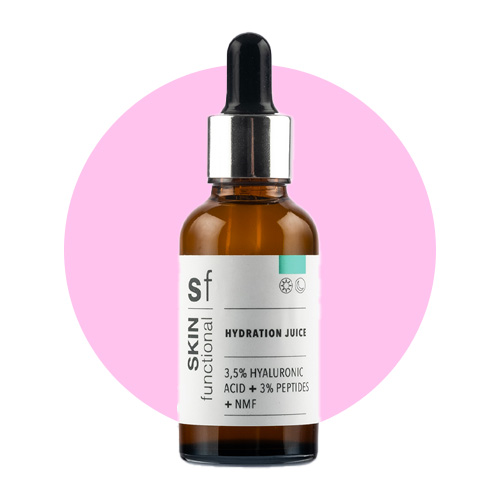
Made with hyaluronic acid, peptides and polyglutamic acid, this mix plumps and hydrates. For targeting dry and dehydrated skin.
Uncskin GlowHydro Cream
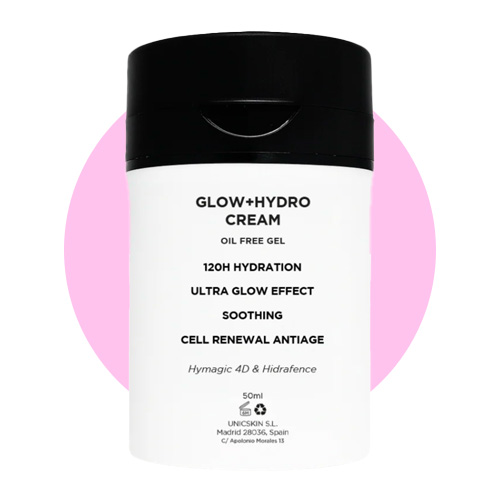
A lightweight gel cream that hydrates and soothes skin. For nourishing hydration and a healthier-looking glow.
Filorga Daily Repair Mineral UV SPF50
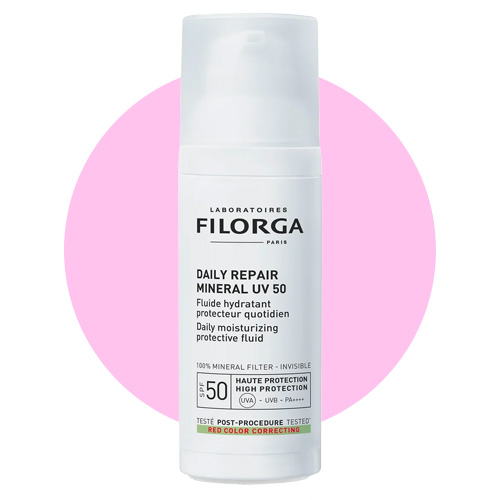
SPF should stay in your morning routine, even when it is cold or cloudy. For daily mineral sun protection.
READ MORE: The Exact Steps – And Products – To Banish Dull, Dry Winter Skin


