

When you think of “conventional” protein sources, eggs, chicken, cottage cheese and lentils probably come to mind. But here’s one you may not have tried: mopani worms!
While eating insects might sound like an unconventional way to fuel your post-workout recovery, mopani worms are serious nutritional powerhouses. Mopani worms boast around 58% protein by dry weight (some studies even report 73 grams per 100 grams), 15% fat (mostly the good, unsaturated kind) and 8% carbs.
READ MORE: Peptide Stacking Is Everywhere – But Is It Safe?
Even better? Unlike most animal proteins, they’re also fibre-rich, which makes them a smart swap for beef, especially if you’re managing high cholesterol or blood pressure.
And right here on (or should we say in?) home soil, Matomani, a proudly South African brand, is turning mopani worms into sustainable, low-impact, protein-rich products to add to your diet. So, naturally we had to give you the full protein scoop and put their protein bar to the ultimate taste test.
What Does a Mopani Worm Protein Bar Actually Taste Like?
We’ll be honest: taking that first bite is a bit of a mind-over-matter thing. But once you tuck in, it’s exactly what it promises.
There is a subtle, earthy hint of bitterness in the background – though it’s hard to pinpoint whether that comes from the mopani worms itself or the dark chocolate. If you’re a gin-lover or like dark-chocolate flavour profiles, you’ll probably appreciate the flavour profile.
The verdict? Once you start chewing, it simply tastes like what it is: a solid, nutrient-dense protein bar.
READ MORE: Your Post-Workout Meal Might Be More Important Than Your Workout. An Expert Explains.
The Matomani Protein Bars You Can Stock Up On
Worm your way to your protein goals with these protein bars.
Pre-Workout: Energise Bar
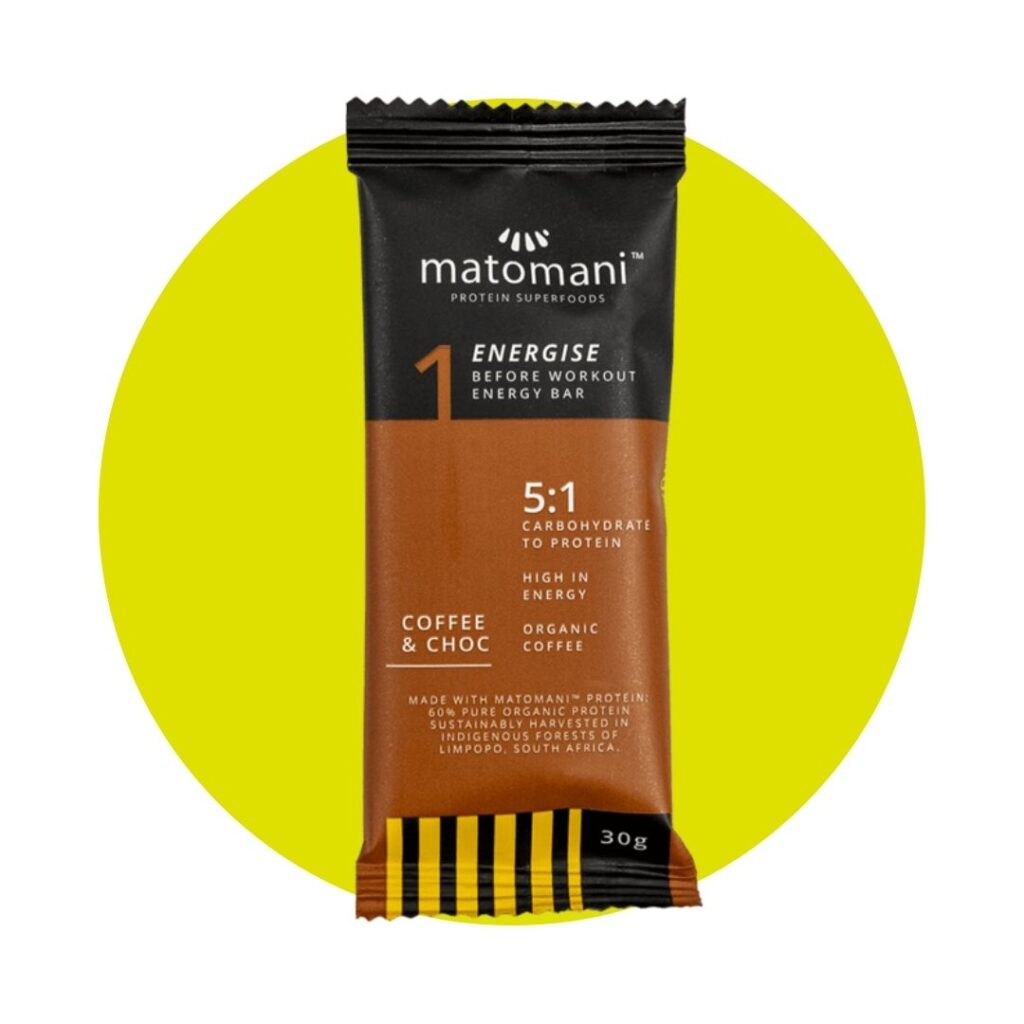
Developed for athletes to provide a sustainable pre-workout energy boost, it’s packed with a special blend of natural ingredients, a 5:1 carbs to protein ratio and trade-fair coffee.
During Workout: Endure Bar
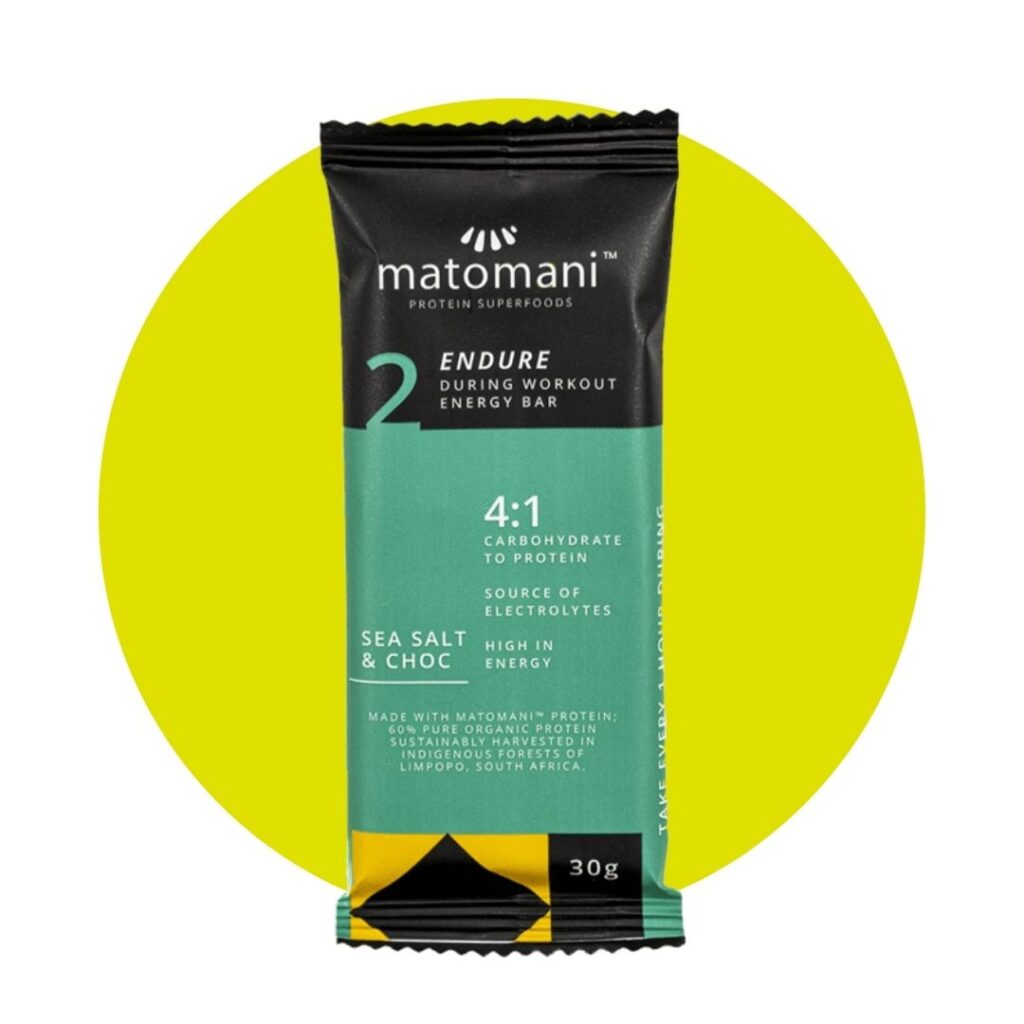
Designed for sessions longer than 1 hour, it’s packed with slow release carbs and Matomani Protein at 4:1 ratio. Plus, it has added sea salt for electrolytes to replenish what you sweat out.
Post-Workout: Regenerate Bar
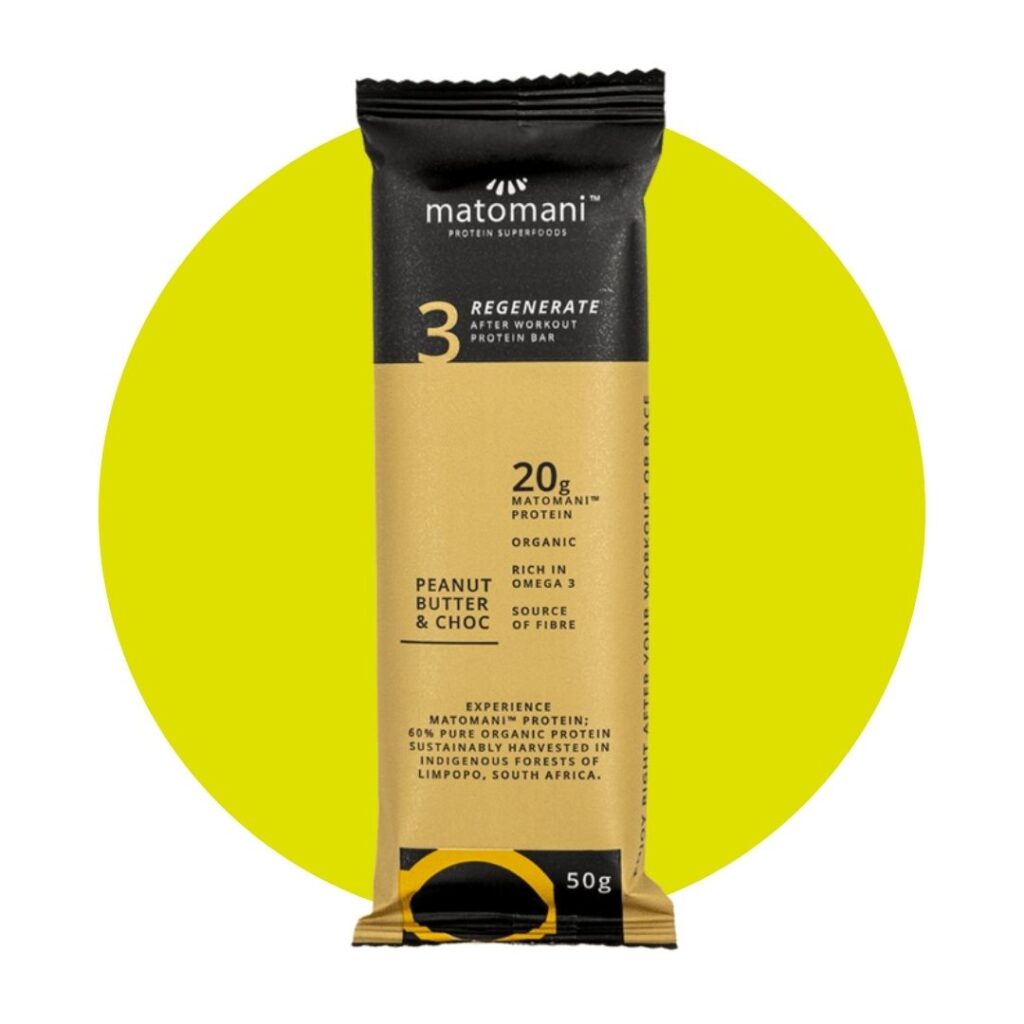
Developed for post-workout replenishment and recovery, it contains 20g or protein and the essential amino acids your muscles need after intense exercise for repair and growth.
4 Easy Vegan Protein Boosters You Can Add To Any Meal
If you aren’t quite ready to jump on the insect protein trend just yet, you can still easily bump up your daily intake with plant-based options. Supercharge your salads, smoothies, or oats with a light dusting of these high-protein toppers:
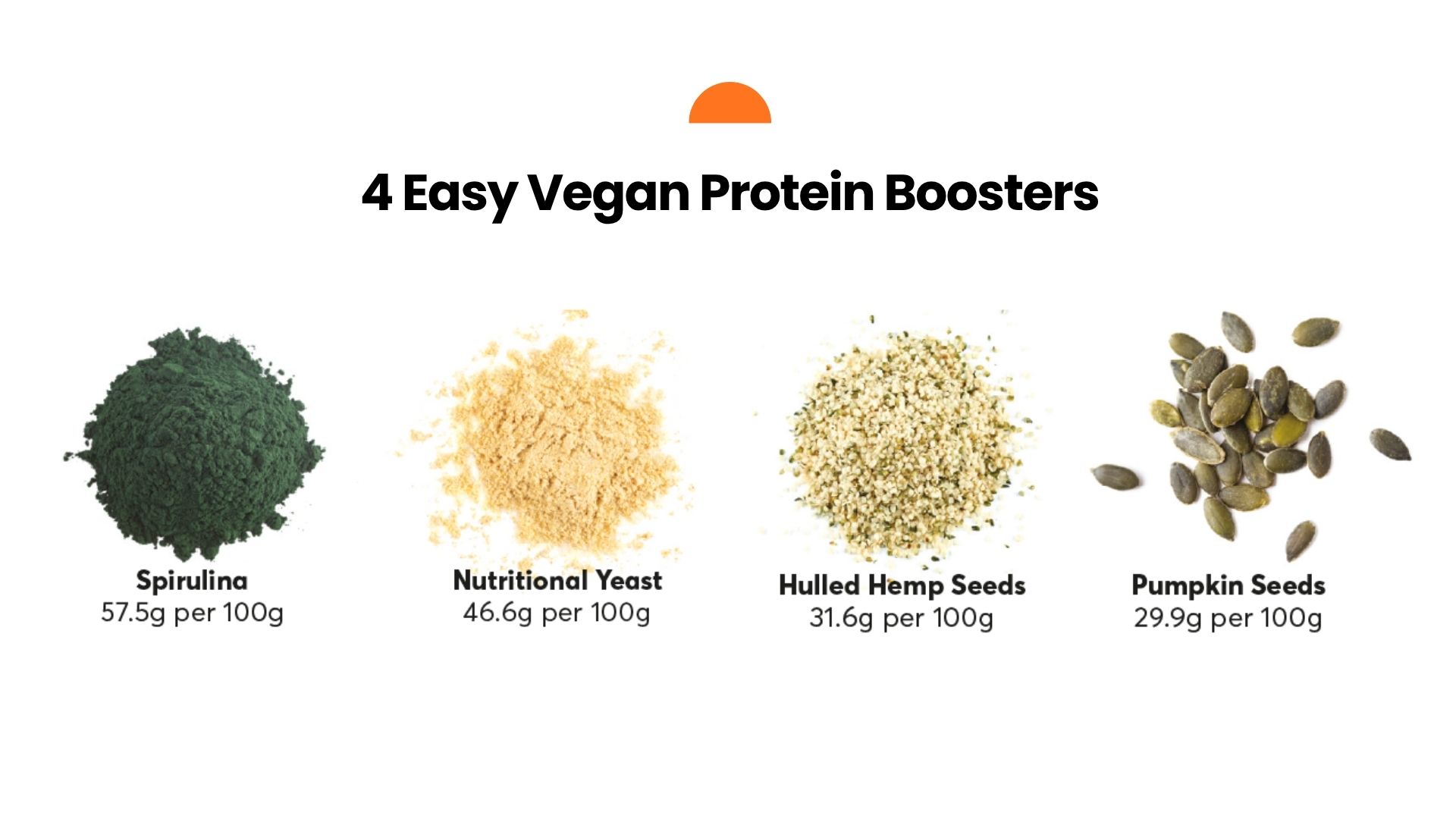
- Spirulina (57.5g per 100g)
- Nutritional Yeast (46.6g per 100g)
- Hulled Hemp Seeds (31.6g per 100g)
- Pumpkin Seeds (29.9g per 100g)
READ MORE: How Much Protein Is Too Much? Nutrition Experts Explain How Much You Need
How To Calculate Your Daily Protein Needs
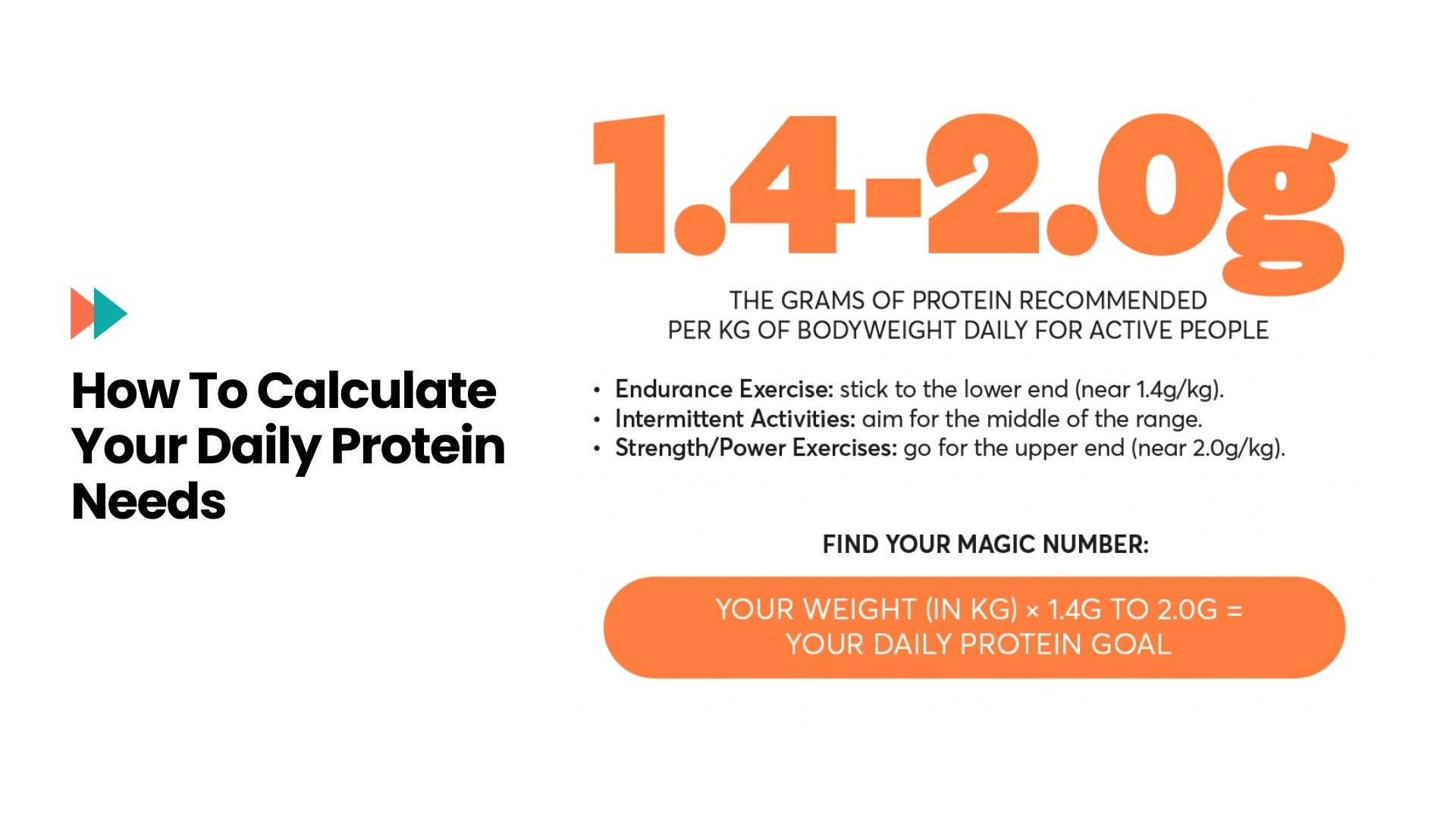
Not sure if you’re getting enough protein to support your workouts? Active people generally need between 1.4g and 2.0g of protein per kilogram of body weight each day, according to the International Society of Sports Nutrition (ISSN).
- Endurance Exercise: stick to the lower end (near 1.4g/kg).
- Intermittent Activities: aim for the middle of the range.
- Strength/Power Exercises: go for the upper end (near 2.0g/kg).
The Calculation:
Your Weight (in kg) × 1.4g to 2.0g = Your Daily Protein Target (in grams)
This article appeared in the May/June 2026 issue of Women’s Health South Africa.