
Weight loss medications have transformed the weight-loss landscape, helping people achieve results that previously felt out of reach. But one of the biggest questions remains: what happens when you stop taking them?
Although GLP-1 medications are designed for long-term use, many people do stop. The reasons are varied: cost, side effects, supply issues, reaching a goal weight or simply feeling they no longer need treatment. However, stopping the medication does not mean the underlying biology that contributed to weight gain simply disappears.
READ MORE: More And More Women Say They’ve Got Hair Loss From Using GLP-1s – Experts Explain Why
Meet the expert: Dr Linia Patel is a women’s health dietician, performance nutritionist and author of Life After Weight Loss Medication.

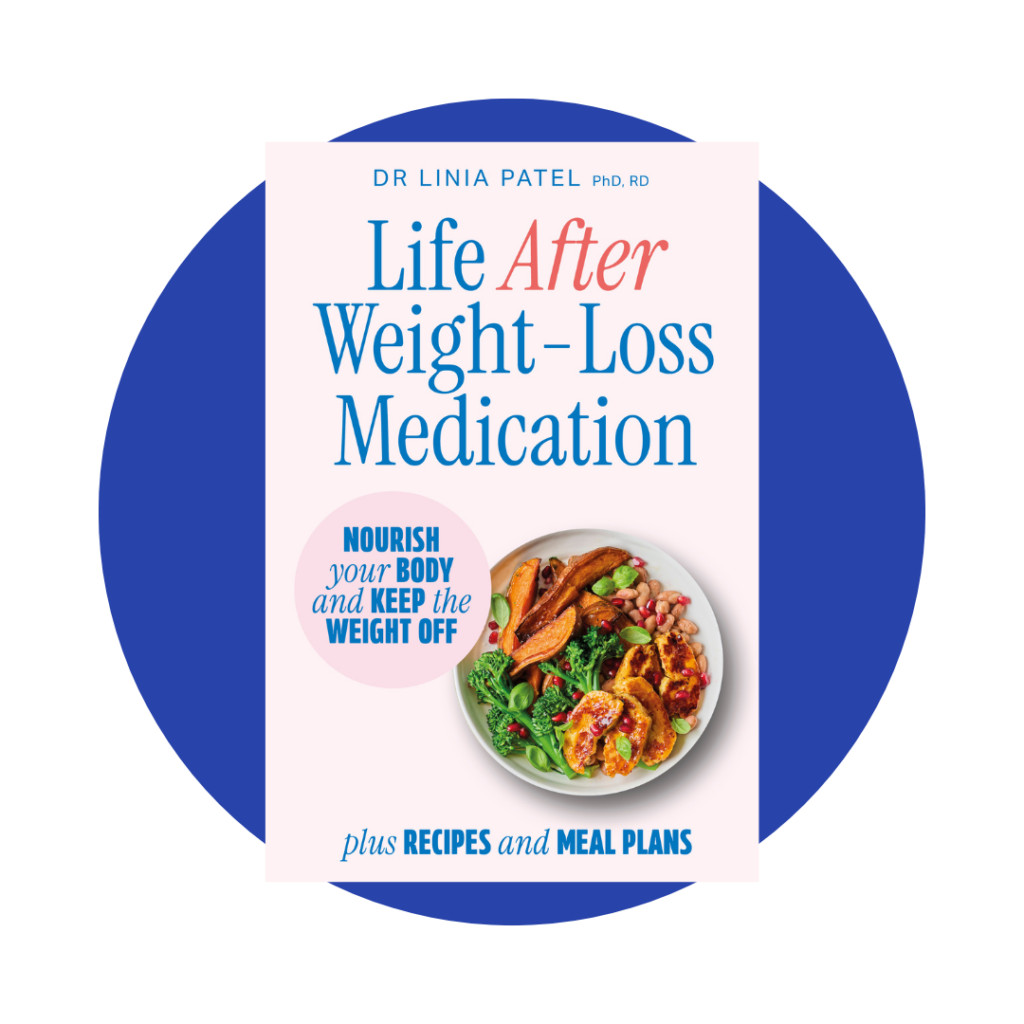
Life After Weight-Loss Medication by Dr Linia Patel
Found yourself facing the ‘what now?’ moment after using weight-loss medications like Ozempic, Wegovy, Mounjaro or Saxenda? Life After Weight-Loss Medication is a 360 ̊ handbook for coming off weight-loss medication, sustaining a healthy weight and improving your health with 40 filling and nutritious recipes and four weekly meal plans.
What Happens When You Stop Taking GLP-1s?
The transition off medication can be challenging. Without a plan, weight regain is often the norm rather than the exception. Recent research reports that around 60% of lost weight regained after one year and up to 75% after two years. This regain can be surprisingly fast and is often largely made up of fat mass.
That said, context matters. If you had a significant amount of weight to lose, you may still be in a healthier position than before treatment, even with some regain. But if you only needed to lose a small amount of weight, there is a greater chance you could regain most, or all, of what you lost.
The good news? Weight regain is not inevitable. While the medication may stop, the habits and routines that support long-term weight maintenance can continue – and that is where your focus needs to shift.
5 Steps to Maintain Your Weight Loss After Stopping GLP-1s
1. Eat In A Way That Is Filling: Use ‘Satiety Stacking’ To Beat Post-GLP-1 Hunger
One of the reasons GLP-1 medications are so effective is that they reduce appetite. They slow the rate at which food leaves your stomach, which helps you feel full sooner, eat smaller portions and stay fuller for longer. When you stop the medication, digestion speeds up again and hunger can return faster than you are used to.
The nutritional strategy that best mimics this effect is something I call satiety stacking: building meals around protein, fibre, healthy fats and high-volume foods that physically take up space, digest more slowly and keep you satisfied.
In practice, aim for around 25-30g of protein at each main meal from foods such as eggs, fish, chicken, tofu, legumes or Greek yoghurt. Pair this with fibre-rich carbohydrates like oats, beans, lentils or wholegrains to create a powerful combination that helps steady blood sugar and keep hunger at bay. Include a source of healthy fats, such as olive oil, nuts, seeds or avocado, to enhance satisfaction and make meals feel more complete.
Finally, don’t underestimate the importance of texture. Foods that require more chewing, such as crunchy vegetables, nuts and wholegrains, increase eating time and sensory satisfaction, helping your brain register fullness more effectively than soft, highly processed foods.
READ MORE: Is Psyllium Husk A Cheap Ozempic Alternative?
2. Make Movement A Way of Life: Prioritise Strength & Daily Activity
The research is clear: people who stay physically active – particularly those who include resistance training – are far more likely to maintain weight loss after stopping GLP-1 medication. Exercise helps preserve the muscle you’ve worked hard to build while losing fat, supporting a healthier metabolism and making long-term weight maintenance easier.
Strength training is especially important in midlife, when we naturally begin to lose muscle mass. Muscle is the cornerstone of healthy ageing and sustainable weight management. It also plays an important role in improving insulin sensitivity and, emerging research suggests, may even help reduce the return of “food noise” by supporting better appetite regulation.
The goal isn’t to find the perfect exercise routine, but to make movement part of everyday life. Walk more and sit less, using walking as the foundation of your activity. Aim for at least 150 minutes of moderate-intensity activity (or 75 minutes of vigorous activity) each week, choosing activities you genuinely enjoy, whether that’s brisk walking, swimming, cycling or dancing.
Alongside this, include at least two resistance-training sessions each week, using body weight, resistance bands or weights to work all the major muscle groups. Most importantly, focus on consistency over perfection. The best exercise plan is the one that fits your life and leaves you feeling stronger, more energised and wanting to come back for more.
READ MORE: Here’s Why It’s So Common To Regain Weight After Losing – And What You Can Do About It
3. Manage Emotional Eating: How To Quiet ‘Food Noise’ Without Medication
One of the most transformative effects of GLP-1 medications is their ability to quieten food noise – the constant mental chatter about food, the persistent cravings or the feeling that thoughts about eating dominate your day. For many people, this is life-changing.
These medications appear to dampen the brain’s reward pathways that drive cravings and food-seeking behaviours. When the medication is stopped, those pathways can become more active again. This doesn’t mean you’ve failed or that your willpower has disappeared; it means your biology has changed.
The goal is not to fight your appetite but to rebuild the trust between your brain and your body. I encourage clients to think about food noise through three lenses: physiology, psychology and diet culture.
Start by supporting your physiology with regular meals built around protein, fibre and satisfying foods, while prioritising sleep, hydration and stress management. A well-fuelled body sends clearer hunger and fullness signals.
Next, become curious about the emotions and situations that trigger eating. I often use the HALT-B check-in with clients: Am I Hungry, Angry or Anxious, Lonely, Tired or Bored? Simply pausing to ask the question can help break the cycle of automatic eating.
Tools such as a hunger and fullness scale or asking yourself “How satisfying was that meal?” can also help you reconnect with your body’s internal cues rather than relying on the medication to regulate them.
Finally, challenge the influence of diet culture. Let go of labelling foods as “good”, “bad” or “cheat” foods. Language matters. Approaching food with curiosity instead of guilt creates space for flexibility, enjoyment and a healthier relationship with eating – one that is much more likely to last long after the medication has finished.
READ MORE: Calorie Creep: The Hidden Reason You’re Not Losing Weight
4. Think Holistically: Regulate Stress and Sleep To Balance Appetite
Food is only one piece of the weight management puzzle. Our eating habits are shaped by far more than physical hunger – sleep, stress, hormones, emotions and our environment all influence the choices we make each day.
Poor sleep increases hunger hormones and cravings while reducing our ability to make thoughtful decisions around food. Chronic stress keeps the nervous system on high alert, which can increase emotional eating, reduce motivation to move and make appetite regulation much harder.
That’s why successful weight maintenance isn’t about following the perfect diet; it’s about creating a lifestyle that supports both your body and your brain. Prioritise consistent, good-quality sleep and remember that recovery is part of the plan, not a reward.
Find simple ways to regulate your nervous system each day, whether that’s a walk outdoors, stretching, reading, deep breathing or spending time with people who help you feel calm.
Finally, become aware of your personal triggers. Understanding the situations, emotions or habits that lead you to eat when you’re not physically hungry is often the first step towards changing the pattern.
READ MORE: The Best Dairy Foods For Weight Loss, Satiety And Muscle Support, According To Dieticians
5. Design Your Environment with Intention: Build A ‘Plan B’ To Prevent Regain
Long-term success is rarely about willpower – it’s about creating an environment that makes healthy choices the easier choices. While you can’t control every situation, you can prepare for many of them.
At the start of each week, think ahead. Where might you be challenged? Perhaps it’s business travel, late meetings, family celebrations, weekends away or simply feeling exhausted after work.
Rather than hoping you’ll make the “right” choice in the moment, have a Plan B ready. That might mean packing a protein-rich snack, meal-prepping a few lunches, knowing your go-to supermarket meal or choosing a non-food way to unwind at the end of the day.
I also encourage people to measure more than just their weight. The scales are one data point, but they’re far from the whole story. Pay attention to your energy, strength, sleep, mood, digestion, cravings and how calm you feel around food. These are often the first signs that your habits are supporting your health.
Finally, expect setbacks. No one maintains their weight perfectly all the time. Progress isn’t about perfection – it’s about noticing when you’ve drifted off course, resetting with one small action and remembering that lasting change is built through consistency, not flawless execution.
About Dr Linia Patel

Dr Linia Patel is an award-winning women’s health dietician, performance nutritionist and public health researcher with over 20 years’ experience across clinical practice, performance nutrition and public health.
Author of the bestselling Food for Menopause, she specialises in helping people optimise their weight and health – particularly in the era of GLP-1 medications – through an evidence-based, empowering and holistic approach.