

Want to tone up your legs? But also not prepared to fork out for a gym membership? Then this skipping workout is definitely for you. It might look simple, but skipping packs a lot into one workout, working your legs while getting your heart rate up and burning plenty of kilojoules.
First, get yourself a decent rope. We’ve rounded up two speed ropes and a beaded option, but if you’re not sure which one is right for you, check out our simple guide to choosing a skipping rope.
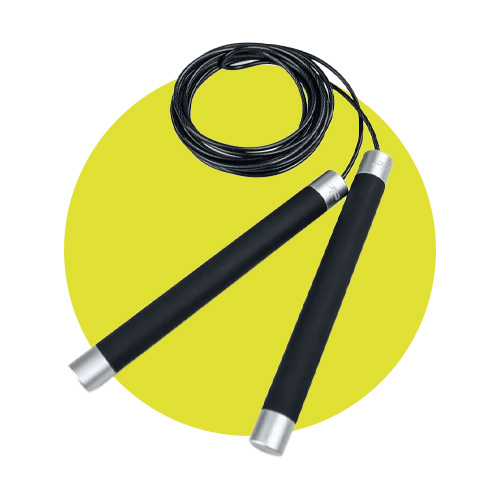
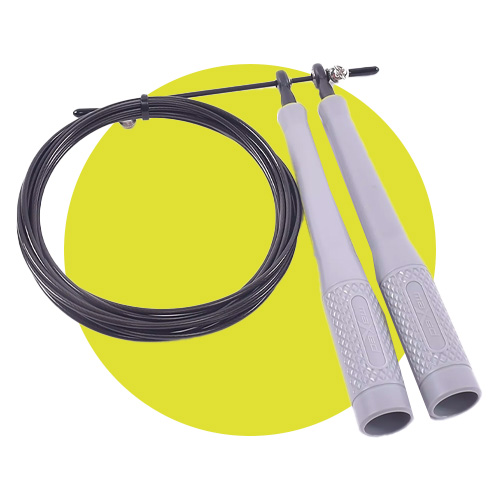
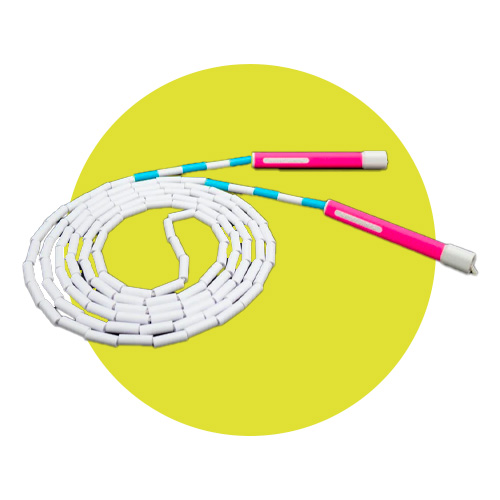
Once you’ve got your rope, master the seven moves below, then start with two or three sessions a week. Begin with Workout One only. As your fitness and technique improve, alternate between Workout One and Workout Two, gradually working your way up to five sessions a week.
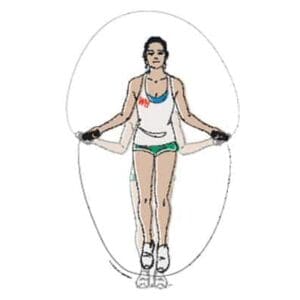
Basic bounce: Jump with both feet together.
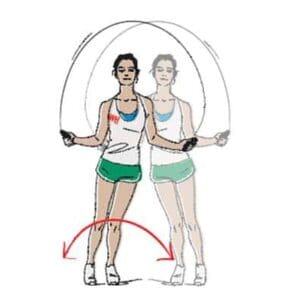
Skier: Jump side to side, feet together.
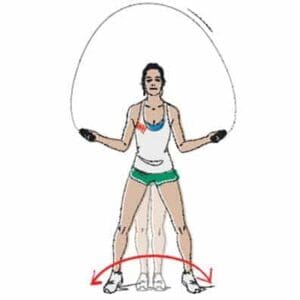
Rope jacks: Jump alternately with feet shoulder-width apart and then together.
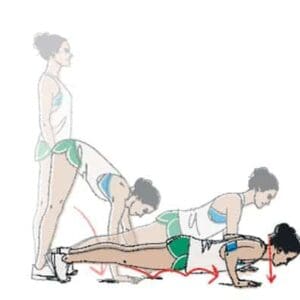
Walk-out push-up: Bend at the hips and walk your hands out to a high plank. Do one push-up, then walk your hands back to start.
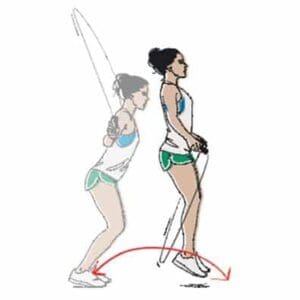
Forwards and backwards: Like the skier, but you jump forwards and back, rather than side to side.
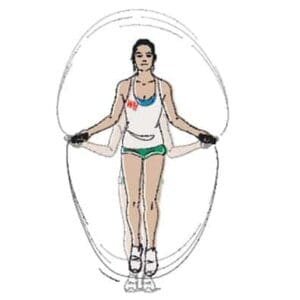
Burnout: Skip as fast as you can. Simple, but killer.
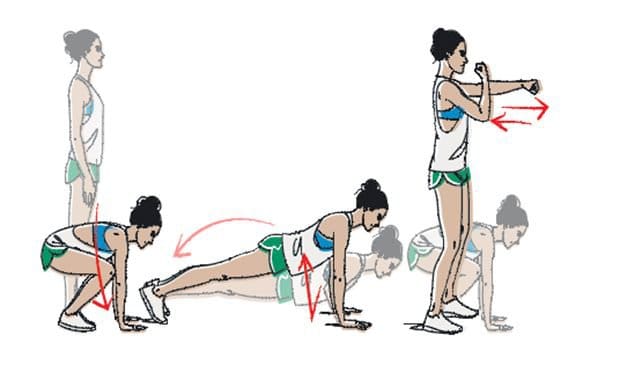
Fighting burpee: Do a burpee with a push-up and jump, then finish with four straight punches.
READ MORE: This 15-Minute Skipping Rope Workout Will Transform Your Arms And Abs
Workout One
Complete the circuit three times using a standard skipping rope, resting for one minute between circuits.
Basic bounce: 1 minute
Walk-out push-up: 30 seconds
Skier: 2 minutes
Walk-out push-up: 30 seconds
Forwards and backwards: 2 minutes
Burnout: 1 minute
READ MORE: Use These Tips To Get MUCH More Out Of Your Skipping Workout
Workout Two
Complete this more demanding circuit three times with a heavier rope, resting one minute between circuits.
Basic bounce: 1 minute
Fighting burpee: 30 seconds
Rope jacks: 2 minutes
Fighting burpee: 30 seconds
Forwards and backwards: 2 minutes
Burnout: 1 minute
Women’s Health participates in various affiliate marketing programmes, which means we may get paid commissions on editorially chosen products purchased through our links to retailer sites.


